

"Stay in Your Lane."
For decades, specialization helped organizations scale.
Today, AI is changing the economics of collaboration.
The organizations getting the most value from AI aren't asking people to abandon their expertise. They're asking them to understand enough of the disciplines around them that work keeps moving instead of waiting for another handoff.
The future isn't about everyone doing everything.
It's about building teams where expertise remains deep, but the walls between disciplines become much thinner.
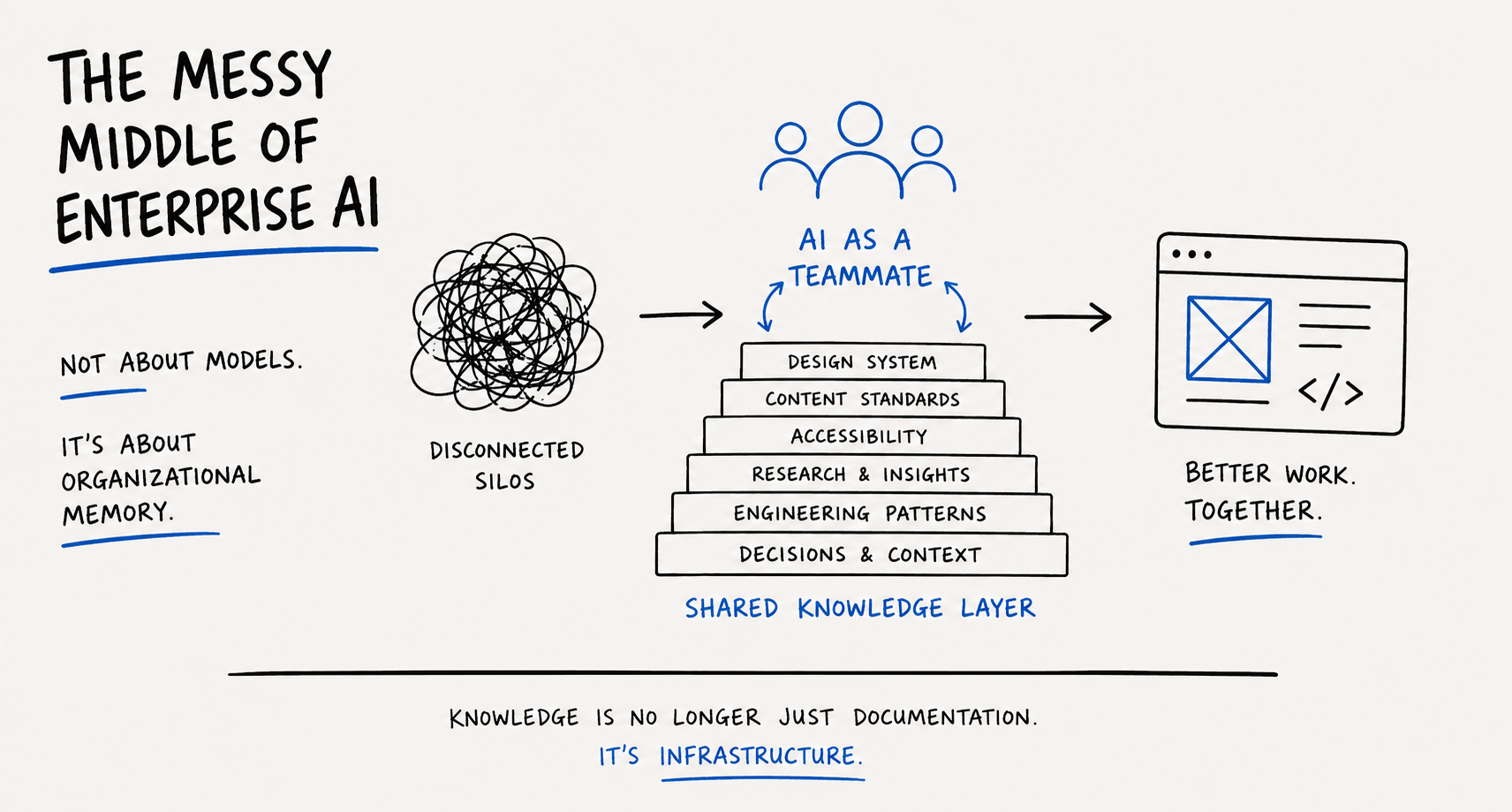
The Messy Middle of Enterprise AI
Everyone is talking about agents, reasoning models, and what's next for AI.
Most enterprise teams are still trying to answer a much simpler question:
"How do we actually make this useful?"
After two years of building AI into our design workflow, I've learned that the hardest problems aren't technical.
They're organizational.
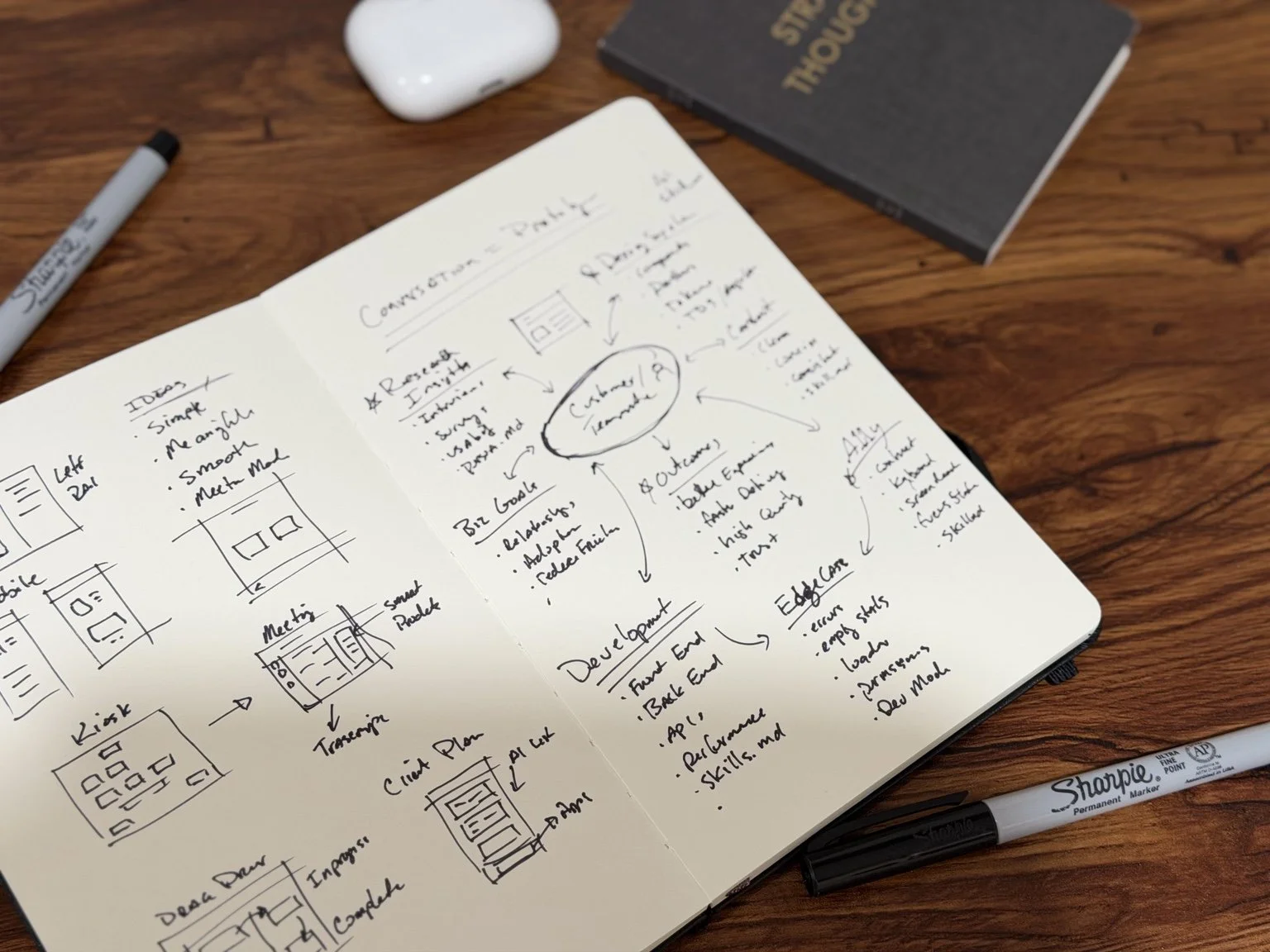
The Conversation Became the Prototype
One thing I've learned over the last year:
The work isn't getting easier. The handoffs are getting smaller.
Less time translating.
Less time documenting.
Less time explaining what we meant.
More time solving the actual problem.
That's been one of the most interesting shifts I've seen in a long time.

The Most Dangerous Person in the Room Is No Longer the Expert
Lately I've been noticing something interesting.
The gap between beginner and expert is shrinking.
But the gap between knowing and deciding is growing.
We spent decades rewarding people for what they knew.
I'm starting to think the next decade rewards people for what they do with that knowledge.
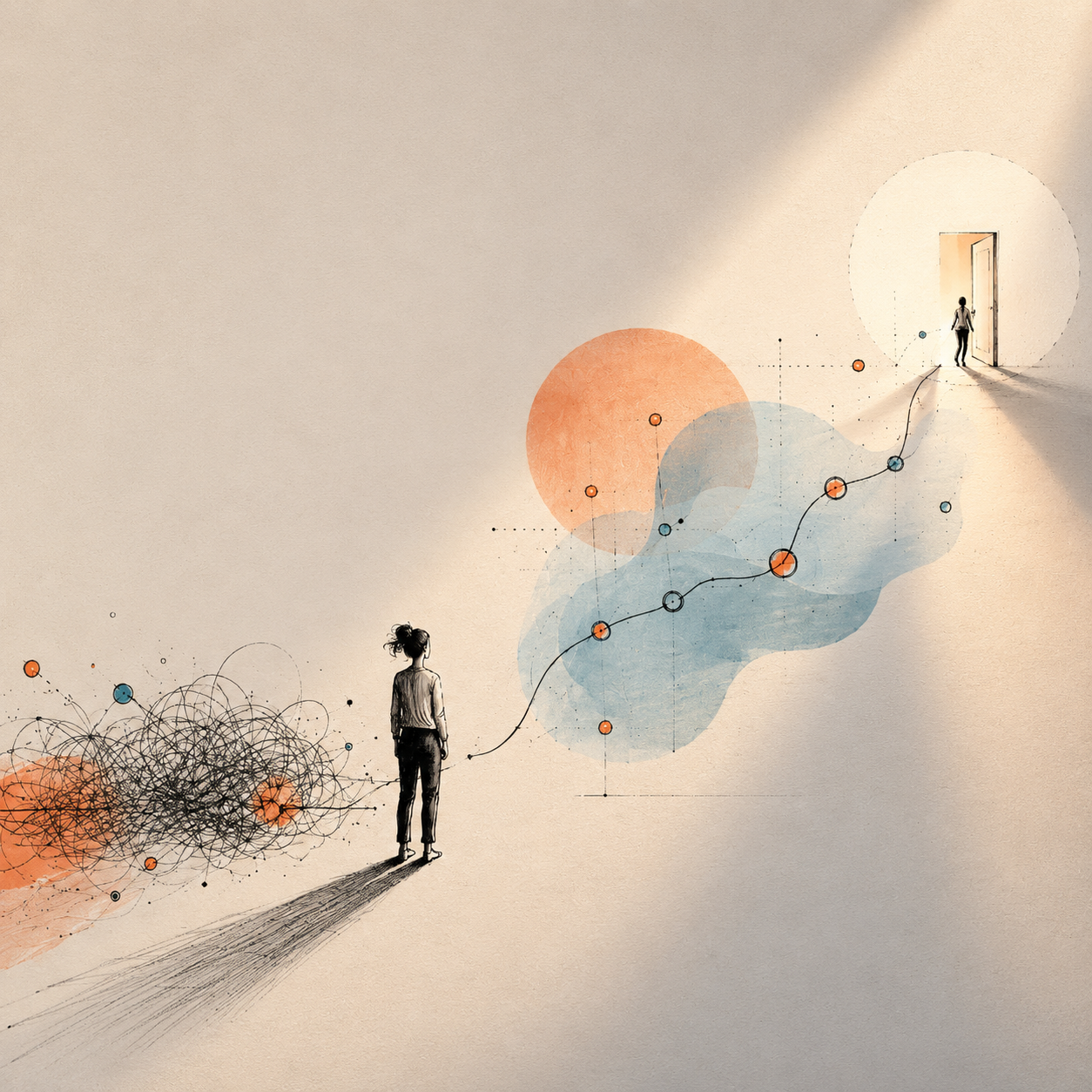
The memory problem hiding inside “intent is the new interface”
Most products don’t have a UX problem. They have a memory problem. We’ve been designing for intent, but ignoring the context that creates it. And now that AI is here, that gap is impossible to hide.
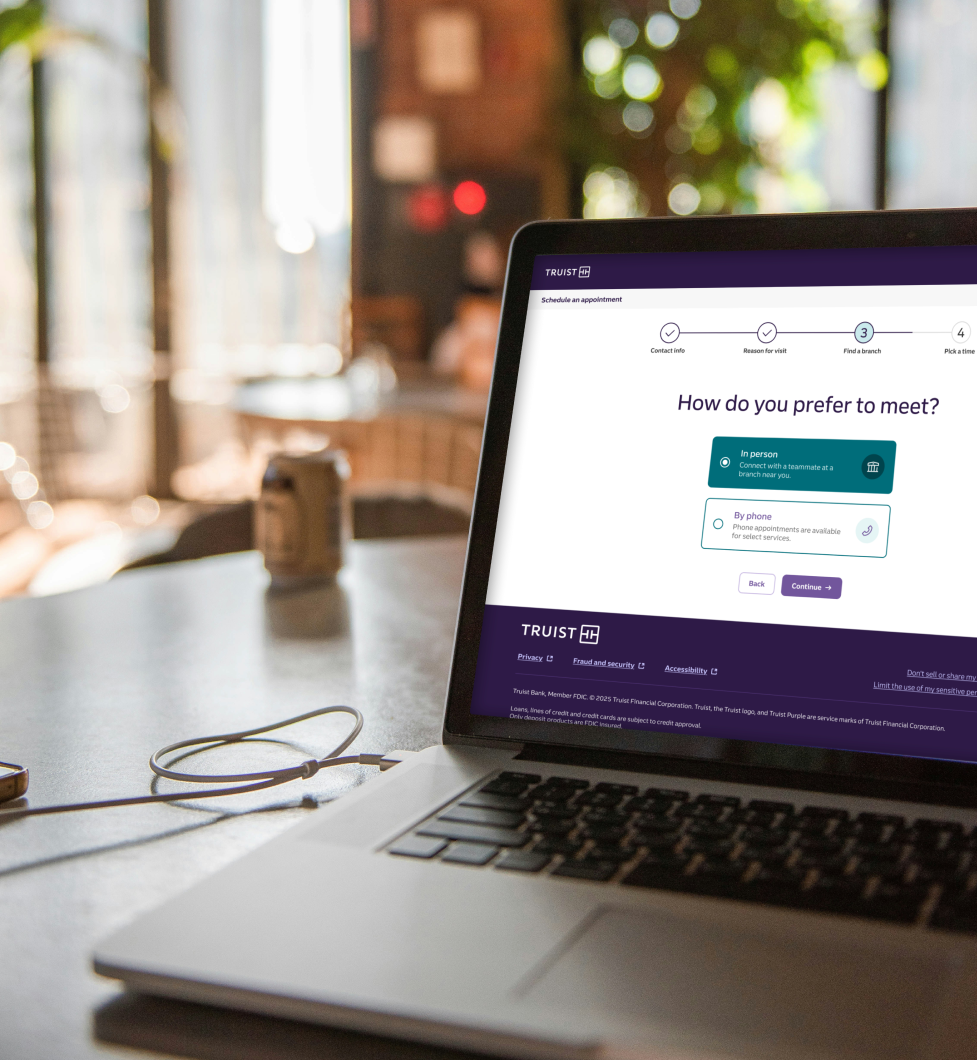
The first launch of our Branch Transformation
Seamless Connections, Smarter Conversations. Truist’s Scheduler reimagines how clients engage with the bank, making appointment booking effortless, personalized, and efficient. Designed to unify scheduling across digital channels, it reduces friction, boosts conversion, and helps branch teams better align resources around client needs, especially for high-value conversations.

The AI agent chaos is coming to the Branch
Everyone is racing to deploy AI agents.
Risk agents. Compliance agents. Conversation agents. Next best action engines. Documentation bots.
And leadership decks everywhere are celebrating this as transformation. Here’s the problem. No one is seriously designing how teammates will manage them.
That’s not innovation. That’s chaos waiting to happen.

From Scheduling to Orchestration: Keeping Intent in Sync Across Channels
Capturing intent is only half the challenge. The real test is what happens next.
Too often, intent is collected in one channel and lost in another.
What the client shared online never reaches the branch.
What the teammate learns never flows back to digital.
This is where orchestration matters.
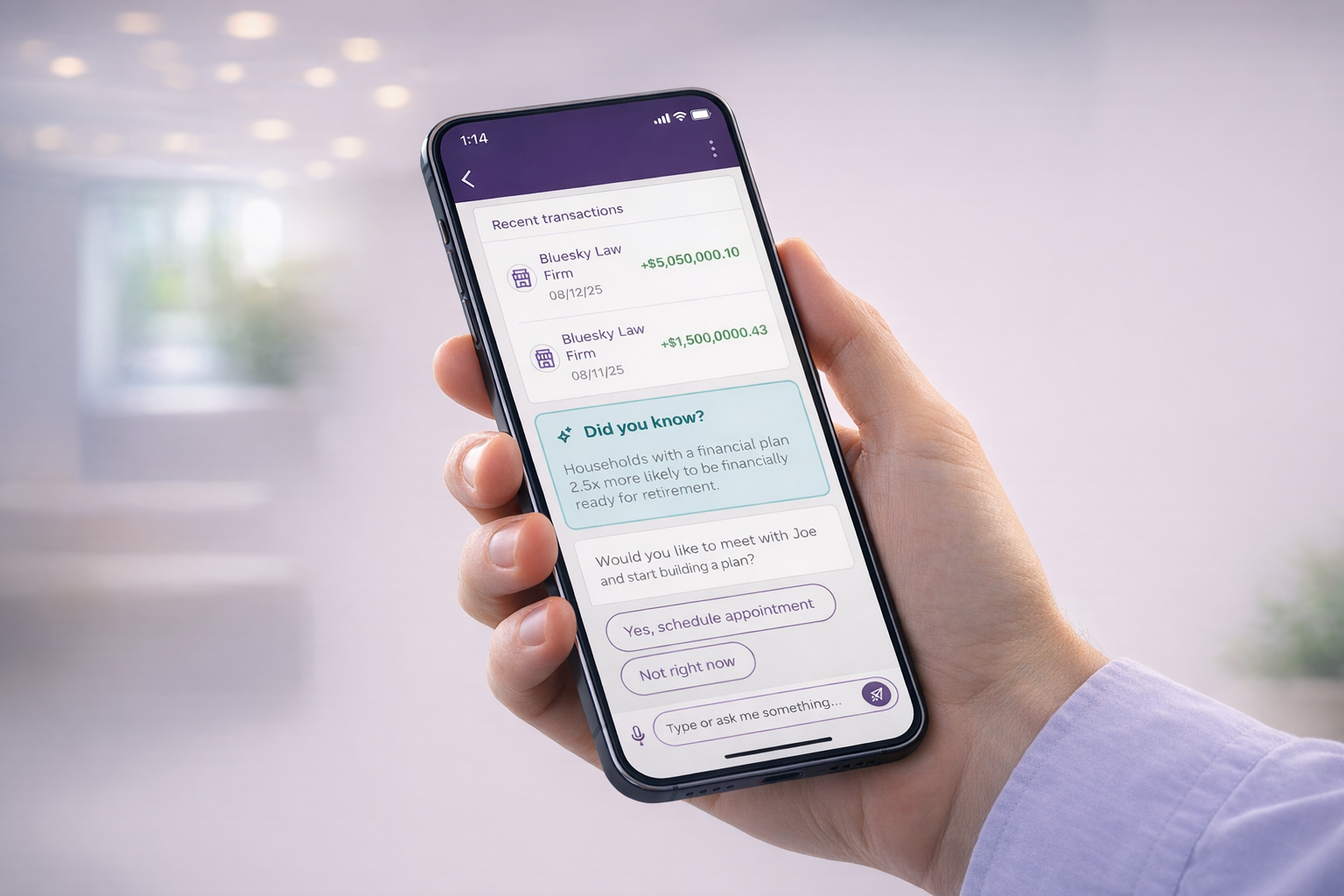
Proactive Appointment Design: Meeting Clients Before They Ask
Most appointment systems are reactive. They wait for the client to raise their hand.
But modern banking is full of signals, and ignoring them is a missed opportunity.
The future of appointment design is proactive, not passive.

The Appointment Is Not a Calendar Slot. It’s a Contract of Intent
In most banks, the appointment experience is treated as a scheduling utility.
Pick a time. Pick a reason. Done.
But that mindset dramatically underestimates its power.
An appointment isn’t just a meeting.
It’s a contract of intent between the client and the bank.

Intent Is the Missing Layer in Modern Banking Experiences
Most banking experiences capture actions.
Very few capture intent. That’s the problem.
Intent isn’t a form field. It’s the foundation of meaningful service.

Emotional Ergonomics: Designing AI Tools That Transform Teammate Experience
Banks obsess over customer journeys. Rightfully so.
But the teammate journey has been largely ignored — even though it has a direct, measurable impact on client satisfaction, branch performance, and operational cost.
AI gives designers a once-in-a-generation opportunity to elevate teammate experience by designing for emotional ergonomics.

Designing for the Blur: When Physical and Digital Banking Collapse Into One
The industry still talks about “channels.”
Clients don’t.
To a client, everything is one continuous experience. They expect the same clarity, context, and continuity whether they’re on their phone, in a branch, talking to a teammate, or responding to an AI-powered assistant.

The New Teammate Superpowers: What AI Makes Possible in Banking
Most AI conversations in banking focus on automation — reducing cost, shrinking headcount, accelerating back-office processing. But the real transformation is happening on the front line.
AI is giving teammates abilities that simply didn’t exist before.

The End of Transactions: Designing the Relationship-Only Branch
For decades, branches have been built around transactions — deposits, withdrawals, transfers, paperwork. But digital has quietly eaten nearly every one of those tasks. What remains is the highest-value part of banking: relationships.

The Branch OS: Why Banks Need an Operating System for Human Interaction
Branches have operating hours, operating procedures, and operating manuals — but no operating system for how people actually interact. Teams rely on talent, memory, and improvisation more than any structured, intelligence-driven foundation. And while digital banking has evolved with sophisticated platforms and orchestration layers, the physical branch still functions like an analog island.
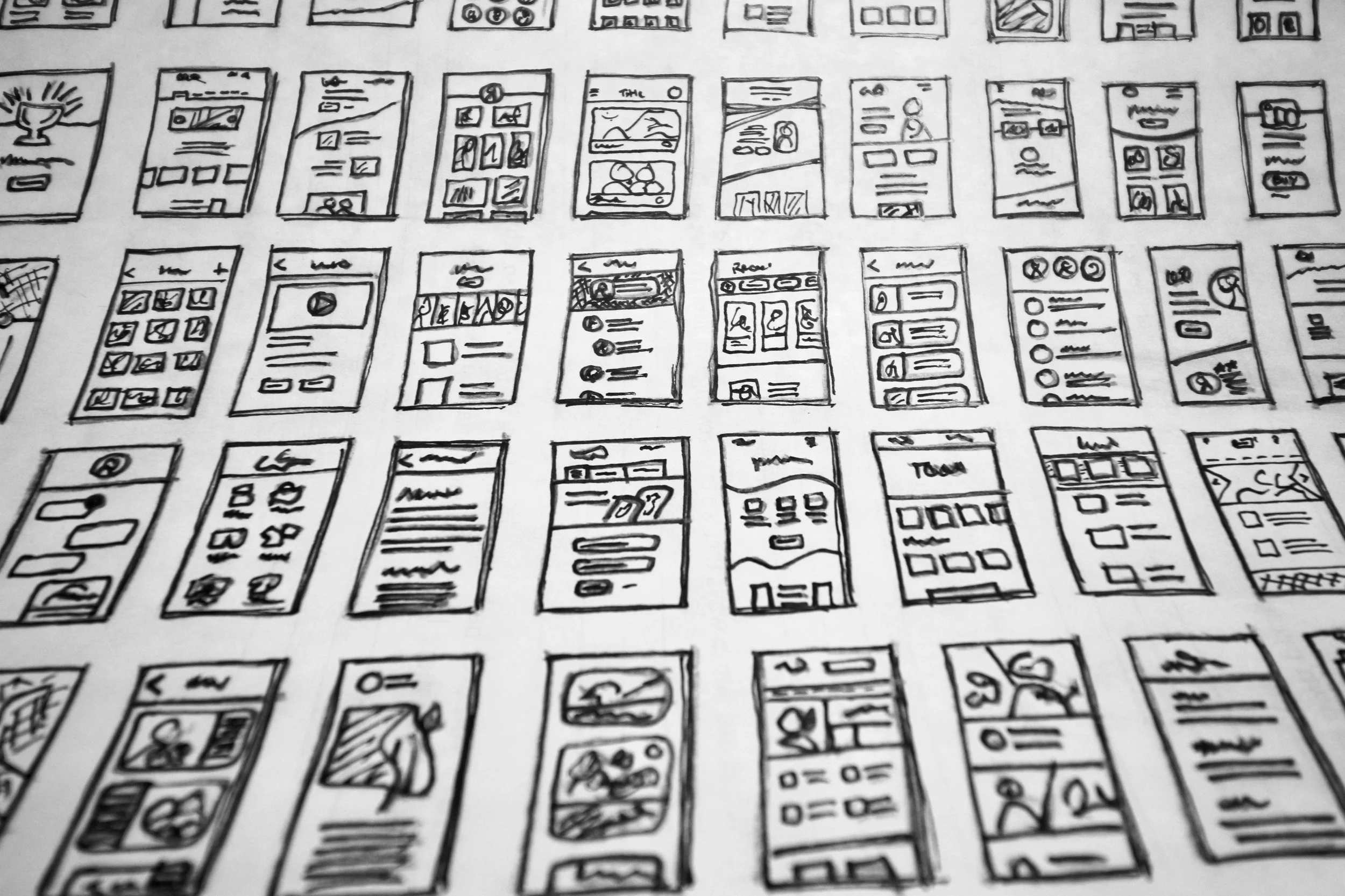
AI-Infused Banking Journeys: Designing for Flow, Not Friction
In banking, clients don’t see “channels.” They just see moments — and those moments should feel effortless. The next evolution of experience design isn’t about adding more AI features. It’s about designing flow.
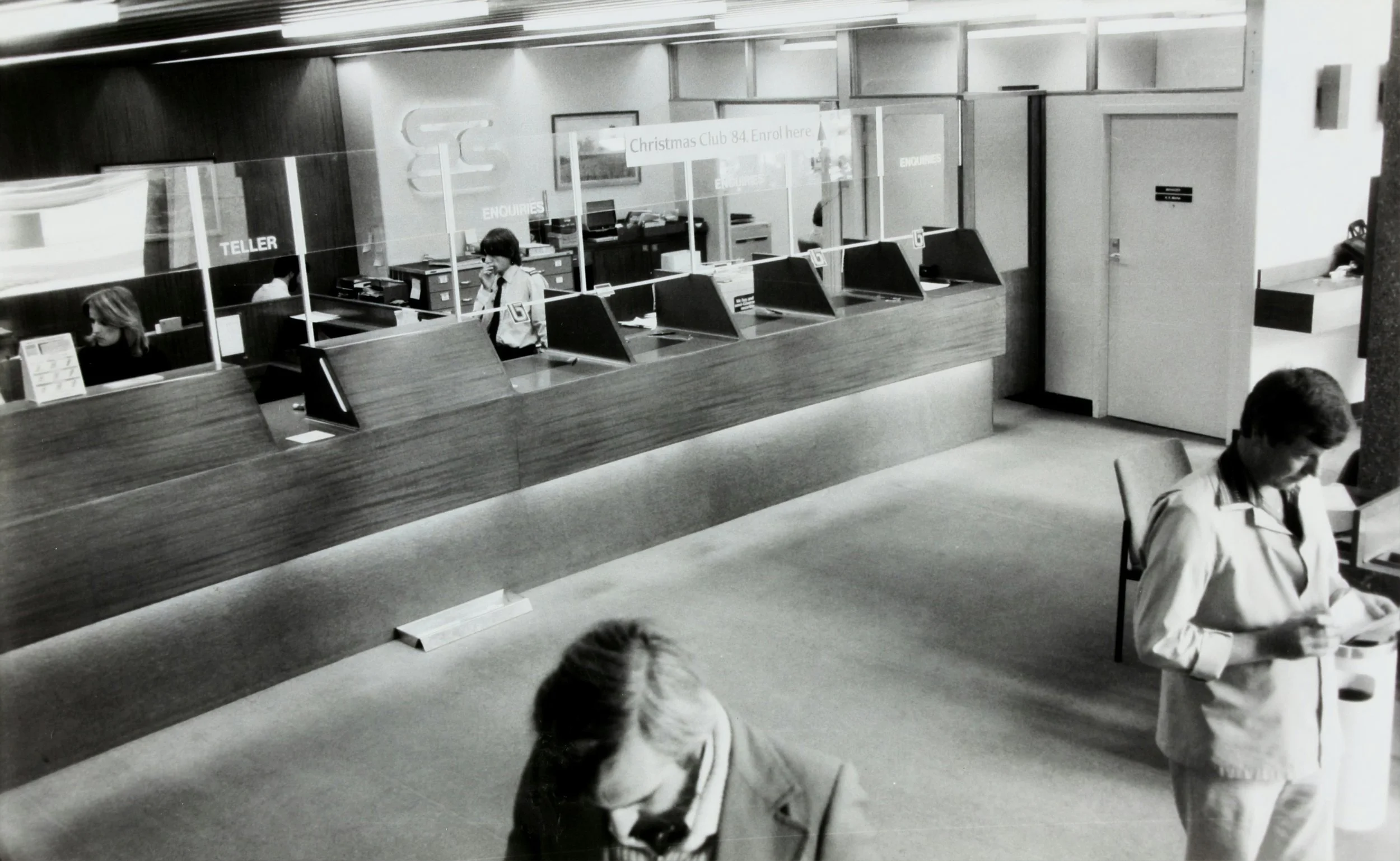
Adaptive Branch Interfaces: Designing for Dynamic Environments
Branches are no longer static spaces. They’re living environments where client needs, team rhythms, and technology all shift throughout the day. Design has to adapt — not just visually, but behaviorally.
From Back Office to Front Line: Designing AI Tools for Bank Employees
The future of banking starts behind the counter. AI-driven tools can empower bank employees by simplifying workflows, surfacing insights in real time, and freeing them to focus on what matters most—human connection. When design meets intelligence, even the smallest interactions can transform the entire customer experience.

When the Branch Walks: Designing Mobile AI-Assistants for Banking Teammates
As branches evolve into mobile, human-centered environments, design has to move too. This post explores how AI can quietly support teammates on the go—helping them build relationships, not manage transactions—and how thoughtful design creates trust in every client moment.